

New









Original price was: $33.97.$23.78Current price is: $23.78.
- Worry-Free Shopping with Safe Payments
- Shop with Zero Worries
- Your Security is Our Promise
- Easy, Fast Returns Guarantee

Black-Eyed Susan Daisy
Rudbeckia fulgida
Other Names: Orange Coneflower
Plant Details
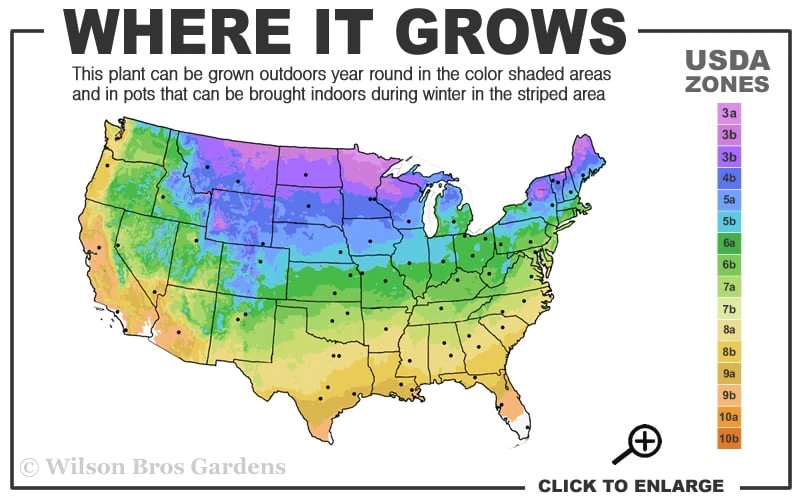
USDA Plant Hardiness Zones: 3a-9b Find Your Zone
Plant Type: Perennial
Height at Maturity: 24-36″
Width at Maturity: 24-30″
Spacing: 18-24″ for mass plantings
Spacing: 18-24″ for mass plantings
Growth Habit / Form: Upright Clump
Growth Rate: Fast
Flower Color: Yellow to Gold with Dark Brownish-Purple cones
Flower Size: 3″
Flowering Period: Mid Summer into Fall (June or July to October)
Flower Type: Daisy
Fragrant Flowers: No
Foliage Color: Dark Green
Fragrant Foliage: No
Berries: No
Berry Color: No
Sun Needs: Full Sun to Light Shade, 6 hours or more of direct sunlight per day
Water Needs: Average
Soil Type: Clay (amend heavy clay to ensure good drainage), Loam, Sandy, Silt
Soil Moisture / Drainage: Moist But Well-Drained; drought tolerant when established
Soil pH: 5.5 – 6.5 (Acid to Slightly Alkaline)
Maintenance / Care: Low, Moderate
Attracts: Butterflies, Beneficial Pollinators, Visual Attention
Resistances: Cold Temperatures (-40F / Zone 3a-9b), Clay Soil, Deer – more info, Disease, Dry Soil (when established), Heat, Humidity, Insect, Rabbit, Rocky Soil, Pollution
Description
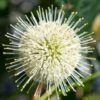
If you’re looking to create a stunning summer to fall display of bright flower color in your landscape or gardens, Rudbeckia fulgida, commonly known as Black-Eyed Sun or Orange Coneflower, is a super easy-to grow North American native perennial that thrives in USDA Zones 3a to 9b, withstanding heat, drought, average to rocky soils, and temperatures to -40F. Out of the thousands of perennials we grow in our gardens, Rudbeckia is at the top of our favorites list, and this original native species does not disappoint. From mid summer through early fall, it features a prolific bloom production of daisy-like flowers (2.5-3″ across) with yellow to golden petals surrounding a dark brownish-purple center cone. The flowers are excellent for cutting and use for enjoyment in flower arrangements, and the butterflies and beneficial pollinators will enjoy them too. The plants make a bushy, upright clump to 3 feet tall and 2 to 2.5 feet wide and are excellent for use as an accent in smaller garden spaces or in groupings or large drifts in perennial borders and naturalized areas.
Landscape & Garden Uses
Growing to 3 feet tall and around 2 feet wide, the Black-Eyed Susan is ideal for use as an accent in smaller garden spaces or in groupings or mass drifts in sunny perennial borders, cottage gardens, meadow gardens, native plant gardens or naturalized areas. Provides excellent bloom and color for the late summer.
Suggested Spacing: 18 inches apart for mass plantings
How To Measure Total Square Feet Of A Planting Area
How Many Plants Needed To Cover A Planting Area?
Growing Preferences
The Black-Eyed Susan is very easy to grow in most any moist but well-drained to dry soil (when established) of average fertility and full sun or part shade. Provide at least 6 hours of direct sun for best flowering. As with many other perennial plants, constantly soggy or wet soils can be problematic. Heavy, dense clay soils should be amended with organic matter to improve drainage.
Plant Long & Prosper!
Meet The Wilson Brothers & Staff
Questions? Contact Us!
Be the first to review “Black Eyed Susan Daisy (Rudbeckia Fulgida) – 1 Gallon Pot”
Related products
New

NATIVE PLANTS
Original price was: $31.85.$22.30Current price is: $22.30.
New
Original price was: $37.97.$26.58Current price is: $26.58.
New
NATIVE PLANTS
Original price was: $39.97.$27.98Current price is: $27.98.
New
Original price was: $68.51.$47.96Current price is: $47.96.
New


NATIVE PLANTS
Original price was: $39.97.$27.98Current price is: $27.98.
New
Original price was: $79.97.$55.98Current price is: $55.98.
New
Original price was: $81.85.$57.30Current price is: $57.30.
New
NATIVE PLANTS
Original price was: $39.97.$27.98Current price is: $27.98.
Reviews
There are no reviews yet.