

New


Original price was: $33.97.$23.78Current price is: $23.78.
- Worry-Free Shopping with Safe Payments
- Shop with Zero Worries
- Your Security is Our Promise
- Easy, Fast Returns Guarantee

Blue Pitcher Sage
Salvia azurea
Common Names: Blue Sage, Pitcher Sage, Azure Blue Sage
Plant Details
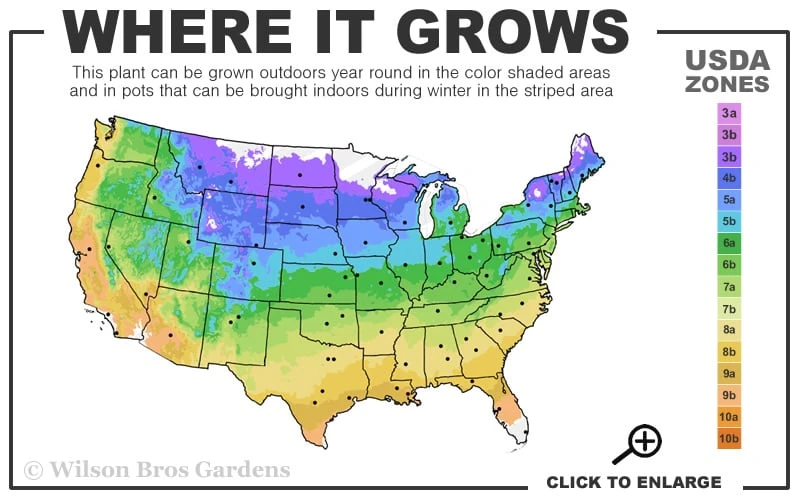
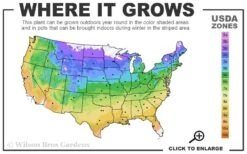
USDA Plant Hardiness Zones: 4a-9b Find Your Zone
Plant Type: Herbaceous Perennial
Height at Maturity: 3-5′
Width at Maturity: 2-4′
Spacing: 2.5-3″ for mass plantings
Spacing: 2.5-3″ for mass plantings
Growth Habit / Form: Upright
Growth Rate: Fast
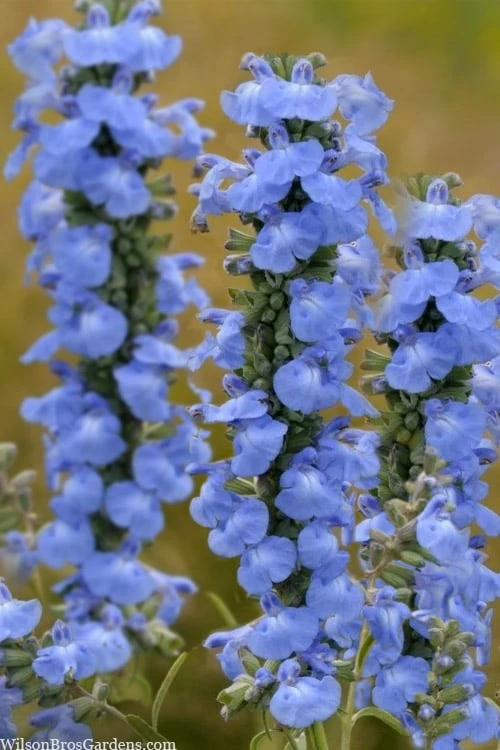
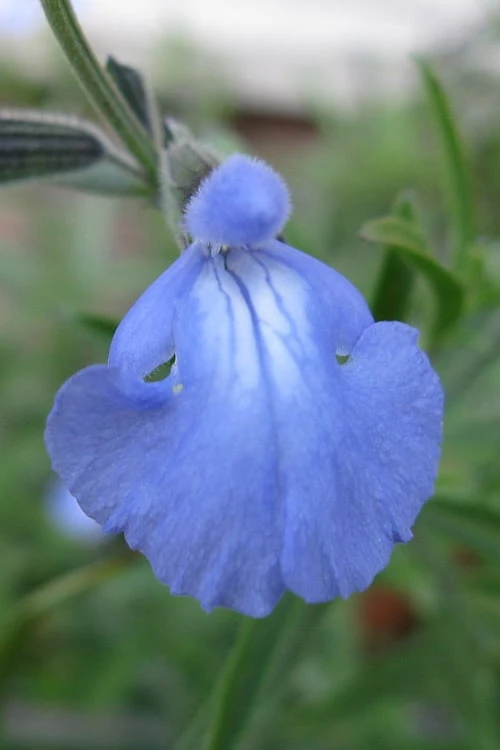
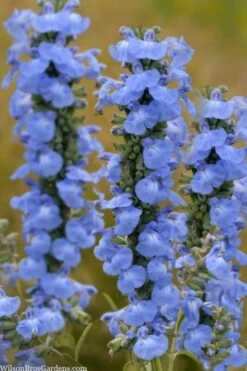
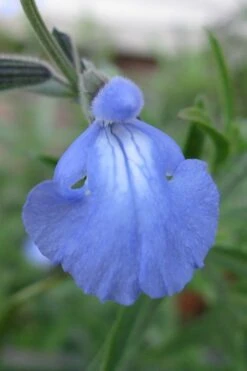
Flower Color: Clear Blue to Violet-Blue with White Center Splotch
Flower Size: 1″
Flowering Period: Mid or Late Summer to Early or Mid Fall, depending on location
Flower Type: Single, in Clusters
Fragrant Flowers: No
Foliage Color: Medium Green
Fragrant Foliage: Yes
Berries: No
Berry Color: No
Sun Needs: Full Sun or Part Shade
Water Needs: Average, low when established
Soil Type: Clay (amend heavy clay to ensure good drainage), Loam, Sandy, Silt
Soil Moisture / Drainage: Moist But Well Drained; moderately drought tolerant when established
Soil pH: 6.0 – 8.0 (Moderately Acid to Moderately Alkaline)
Maintenance / Care: Low
Attracts: Butterflies, Beneficial Pollinators, Hummingbirds, Visual Attention
Resistances: Cold Temperatures (-20F / Zones 5-9), Deer – more info, Disease, Heat, Humidity, Insect, Rabbit
Description
A beautiful North American native perennial, Salvia azurea, commonly known as Blue Pitcher Sage, is easy to grow and stands up to heat and cold in USDA Zones 4 to 9 and thrives in moist or dry average to low fertility soil and full sun to part shade. We’ve heard it has no trouble overwintering as far north as southern Minnesota. A late bloomer, spiked clusters of clear blue flowers are produced from mid or late summer to early or mid fall depending on location. The late season butterflies, moths and other beneficial pollinators will flock to this plant as there aren’t always a lot of other flowering plants blooming at this time of year. At 3 to 5 feet tall and 3 to 4 feet wide, Blue Pitcher Sage has more of am open, natural look well-suited to prairie, meadow, wildflower and native gardens. As with many other salvias, the leaves have a smell that deer and rabbits turn their sensitive noses up to.
Wildlife Benefits
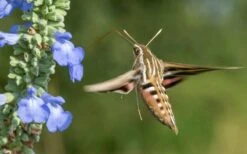
Hummingbirds and many butterfly, moth and bee species feed on the flowers of Salvia azurea, and the Hermit Sphinx Moth uses it as a host plant.
Landscape & Garden Uses
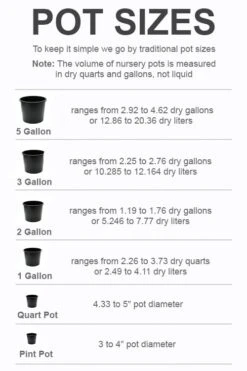
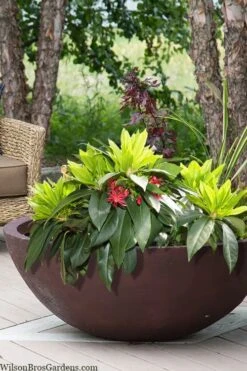
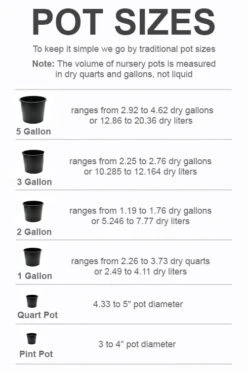
Growing from 3 to 5 feet tall and 3 to 4 feet tall wide, Blue Pitcher Sage is ideal for growing in garden beds or pots, planters and other containers of 16 inches or more in diameter. The reason you want a larger pot is to give the roots plenty of room to grow so you don’t have to water the plant as much in summer. Planted in the ground the plant is quite drought tolerant when established though will appreciate supplemental water during prolonged summer drought. If you can, plant outside a window or close to patios, decks, porches and other outdoor sitting areas so you can enjoy watching the hummingbirds feed from spring to fall. A fine addition to hummingbird gardens, beneficial pollinator gardens, perennial gardens, native gardens, wildflower gardens, meadow and prairie gardens, blue theme gardens and cottage gardens.
Growing Preferences
A hardy perennial in USDA Zones 4-9b, Blue Pitcher Sage can be grown in garden beds or containers. Above Zone 4 it will be an annual or you can grow it in containers that can be overwintered indoors. Whether growing in the ground or containers, it prefers a moist but well-drained soil and full sun to partial shade. Flowering will be heavier with more sun. When established, this Salvia is quite drought tolerant when growing in the ground. Keep an eye on plants growing in containers and provide water if you see the foliage starting to wilt on hot sunny days in summer. We suggest to only feed lightly in spring with a mild organic plant food. Otherwise, to much fertilizer and the plant might flop.
Helpful Articles
Click on a link below to find helpful advice from our experts for how to plant and care for Salvia plants.
How To Plant Perennial Salvia & Sage Plants
How To Fertilize & Water Salvia & Sage Plants
How To Prune Salvia & Sage Plants
Plant Long & Prosper!
Meet The Wilson Brothers & Staff
Questions? Contact Us!
Plants arrived very well packed in good condition. They are growing very well despite the heat.————————————————Thanks for the great review! We are so glad you are pleased and we hope you enjoy them for years to come! 🙂 Beth Steele | WBG
Be the first to review “Blue Pitcher Sage (Salvia Azurea) – 1 Gallon Pot”
Related products
New
Original price was: $129.97.$90.98Current price is: $90.98.
New
NATIVE PLANTS
Original price was: $79.97.$55.98Current price is: $55.98.
New

NATIVE PLANTS
Original price was: $39.97.$27.98Current price is: $27.98.
New
Original price was: $43.85.$30.70Current price is: $30.70.
New
Original price was: $68.51.$47.96Current price is: $47.96.
New
Original price was: $37.97.$26.58Current price is: $26.58.
New
NATIVE PLANTS
Original price was: $159.97.$95.99Current price is: $95.99.
New
Original price was: $36.97.$25.88Current price is: $25.88.
Reviews
There are no reviews yet.