


New




Original price was: $76.97.$53.88Current price is: $53.88.
- Worry-Free Shopping with Safe Payments
- Shop with Zero Worries
- Your Security is Our Promise
- Easy, Fast Returns Guarantee

Smooth Sumac
Rhus glabra
Plant Details
USDA Plant Hardiness Zones: 3a-9b Find Your Zone
Plant Type: Deciduous Shrub or Small Tree
Height at Maturity: 8-15′
Width at Maturity: 8-15′
Spacing: 8′ for hedge; 18’+ for space between
Growth Habit / Form: Upright, Open, Irregular
Growth Rate: Moderate
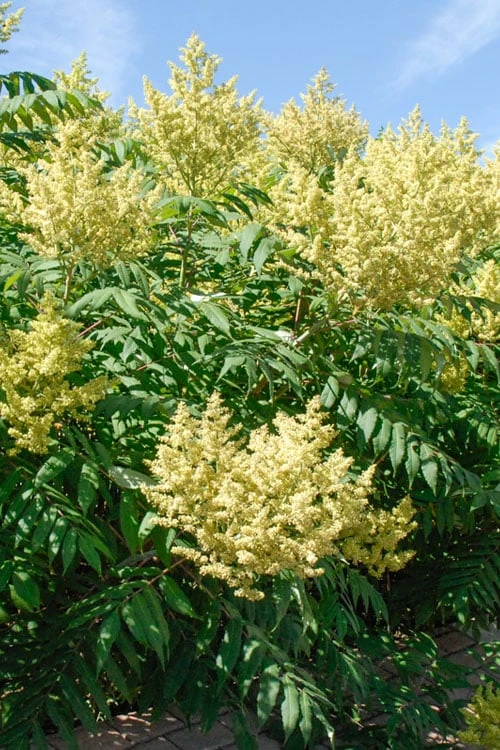
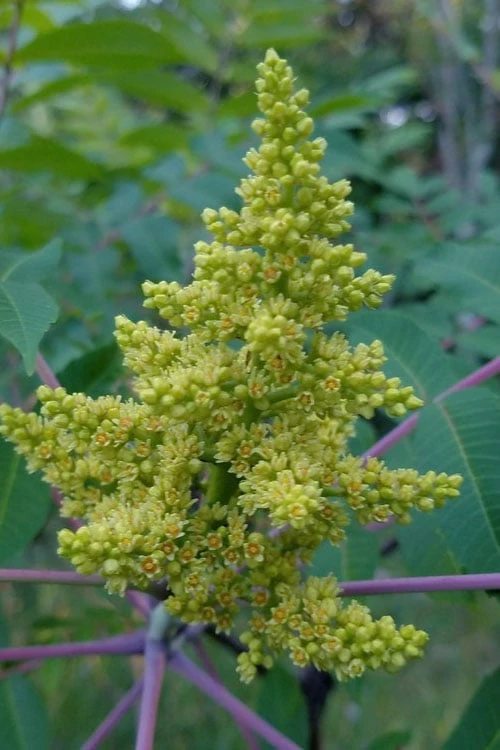
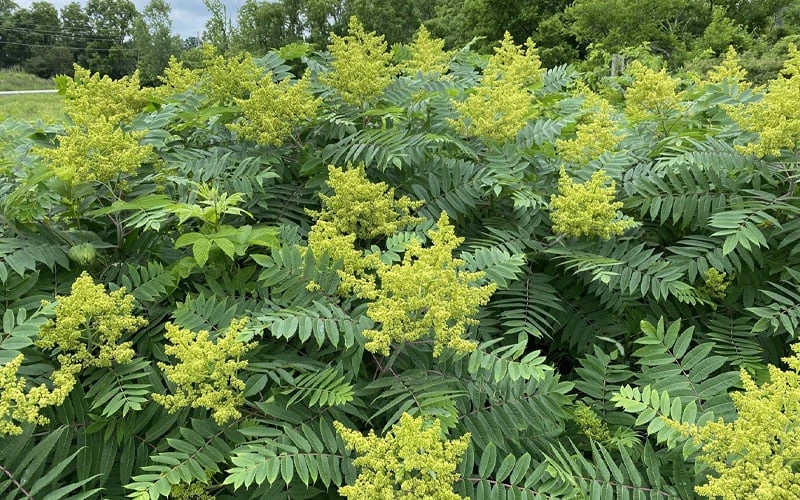
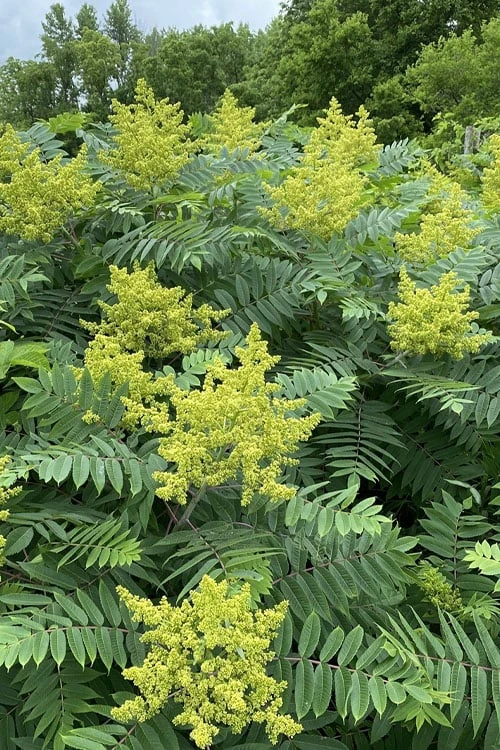
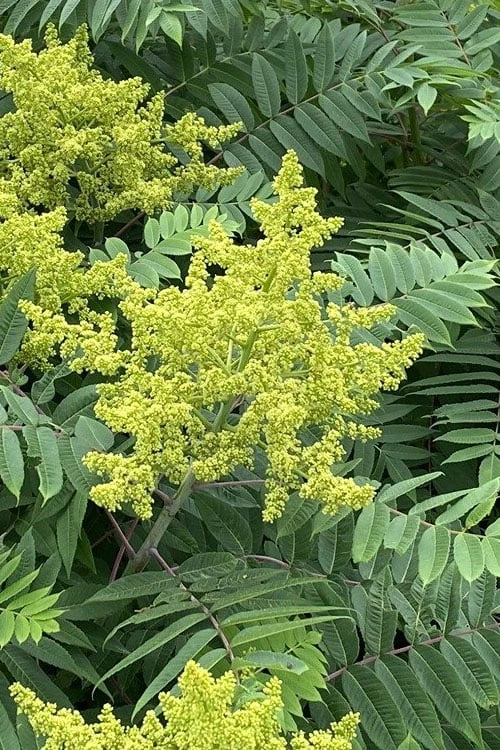
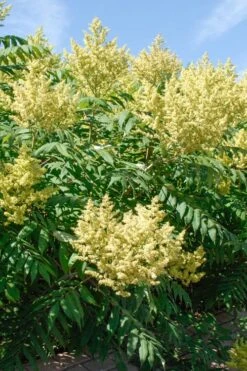
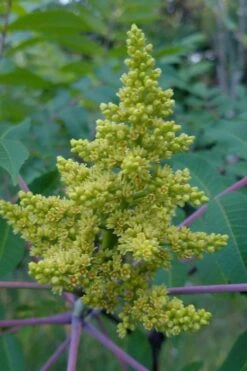
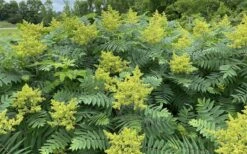
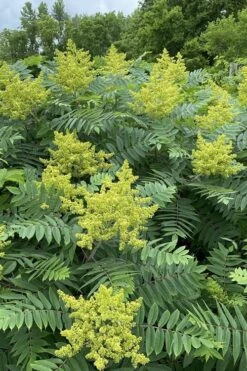
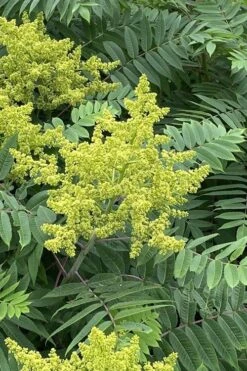
Flower Color: Yellow Green
Bloom Time: Late Spring to Mid Summer
Foliage Color: Light Green
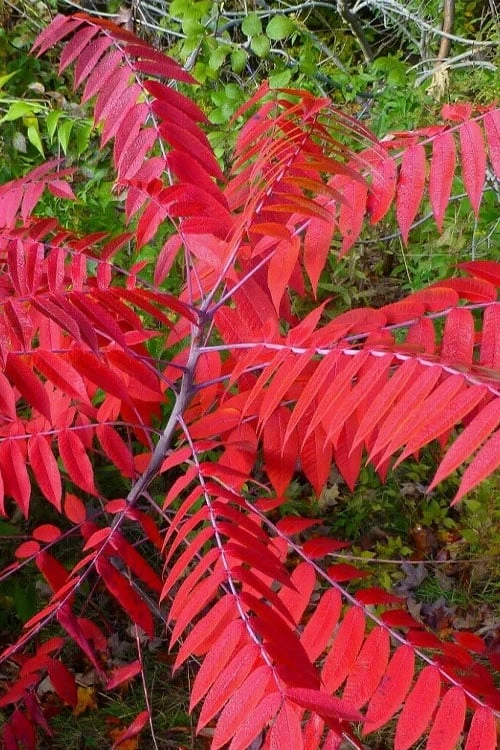
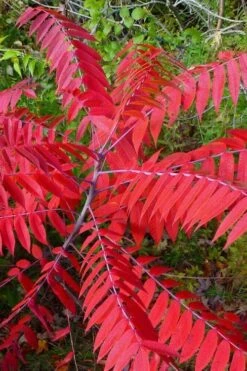
Fall Foliage Color: Dark Green turning to Brilliant Orange and Red
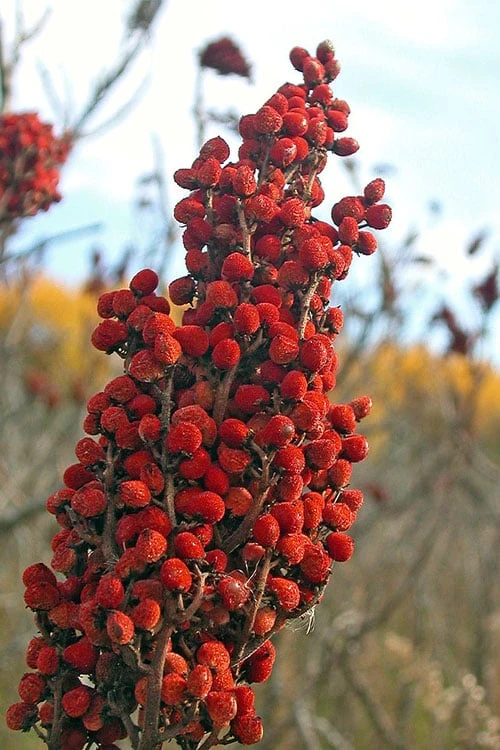
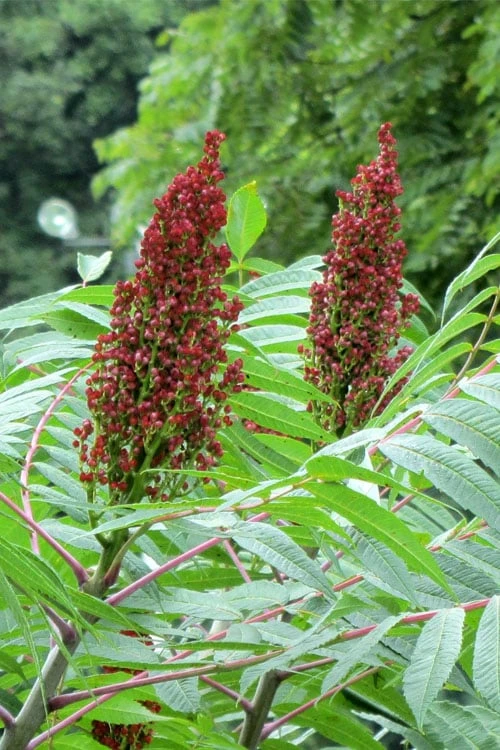
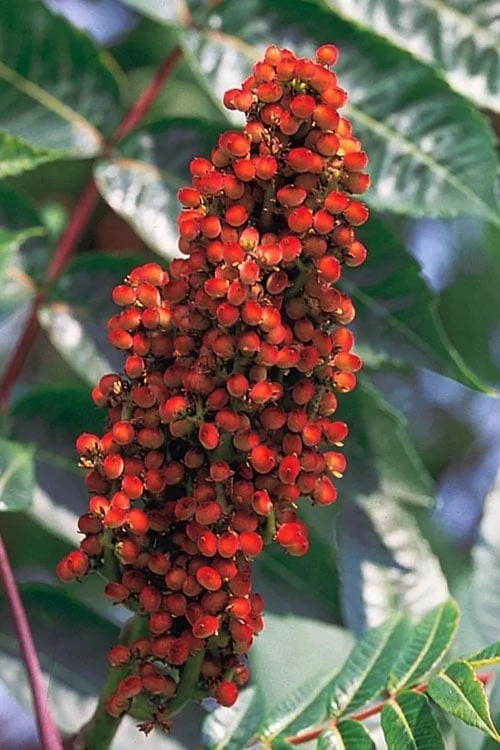
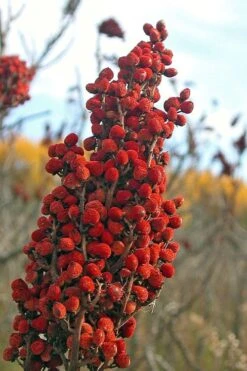
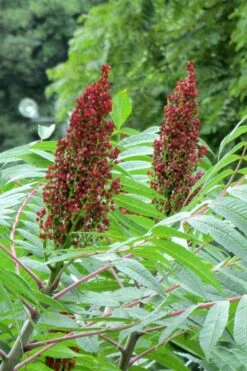
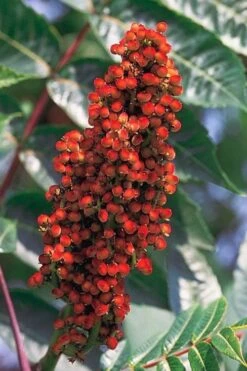
Fruit Color: Deep Orange-Red
Fruit Size: .25″ packed in conical to pyramidal clusters
Fruit Size: .25″ packed in conical to pyramidal clusters
Sun Needs: Full Sun to Partial Shade
Water Needs: Average, low when established
Soil Type: Clay (well drained), Loam, Sandy, Silt
Soil Moisture / Drainage: Moist but Well-Drained; high drought tolerance when established
Soil pH: 5.5 to 7.5 (Acid to Moderately Alkaline)
Attracts: Butterflies, Beneficial Pollinators, Birds, Mammals, Visual Attention
Maintenance / Care: Low
Resistances: Cold Temperatures (-40F), Drought (when established), Dry Soil (when established), Erosion, Juglone (Black Walnut), Rabbits, rocky Soil, Shallow Soil
Resistances: Cold Temperatures (-40F), Drought (when established), Dry Soil (when established), Erosion, Juglone (Black Walnut), Rabbits, rocky Soil, Shallow Soil
Description
Not at all to be confused with poison sumac, Smooth Sumac, scientifically known as Rhus glabra, is a harmless plant. In fact, the clusters of attractive fruits it produces are edible.
Smooth Sumac is an exotic looking but very hardy North American native plant that provides a tropical look and feel in the landscape. It can handle cold temperatures to -40F as far north as USDA Zone 3a and heat to Zone 9b. At 8 to 15 feet tall and equally as wide, it can be grown as a large shrub or lower branches can be removed to form a highly attractive single or multi stemmed small tree. Its large, compound, pinnate leaves, up to 24 inches long with 11 to 31 leaflets, bring a lush look of the tropics to the landscape. The dark green leaves turn to absolutely brilliant shades of orange and/or red during the fall. Large and showy Astilbe-like clusters of yellow flowers appear in abundance during late spring to mid summer and are followed by equally abundant deep orange to orange-red fruit clusters on female plants.
The fruits and other parts of Sumac plants are edible. The fruits can be used to make a spice, sometimes a tea. The bristly red hair covering on the seed clusters are filled with tart ascorbic acid, that are easily made into a sumac-ade drink with just a little sugar required. We hear the roots and new shoots are edible however suggest you do your own research before consuming these parts.
Native Americans made good use of the chemical defenses that evolved to deter herbivores. A rinse made from boiled berries was applied to stop bleeding after childbirth. Tea prepared from leaves was used to treat asthma and diarrhea. Roots were boiled to extract an antiseptic applied to wounds and ulcers. Juice extracted from roots was believed to cure warts. Tea prepared from green twigs was used to treat tuberculosis. Ute basket weavers preferred the supple twigs of fragrant sumac for ceremonial baskets. A surprising range of pigments were extracted from sumac for dyeing baskets and blankets. The Navajo used fermented berries to create an orange-brown dye, while a different extraction from berries produced red. Crushed twigs and leaves yielded a black dye when mixed with ochre mineral and the resin of pinyon pine. Roots produced a yellow dye and a light-yellow dye could be made from the pulverized pulp of stems. Tannins extracted from leaves produce a brown dye.
Wildlife Value
Ring-necked pheasant, bobwhite quail, wild turkey, deer and opossums eat the fruit. Flowers provide a nectar source to butterflies and beneficial native bees. It is a larval host plant for Red-Banded Hairstreak butterfly.
Landscape & Garden Uses
Growing 8 to 15 feet tall and equally as wide, Smooth Sumac is ideal for use in design as a specimen or in groupings in sunny to partially shaded landscape and woodland borders. Lower branches can be removed to form a highly attractive single or multi stemmed tree. A fine addition to wildlife gardens, native plant gardens, bird and wildlife gardens, butterfly and beneficial pollinator gardens, tropical look gardens, cottage gardens and the edible landscape.
Growing Preferences
Smooth Sumac is very easy to grow in most any moist but well drained soil of average fertility, including clay and shallow rocky soil, and full sun to part shade. It is highly drought tolerant when established. The more sun the better for best flower and berry production. USDA Zones: 3a-9b Find Your Zone
Helpful Articles
Note: Find helpful advice from our experts under the Planting & Care tab above on desktop screens and below on mobile phones.
Plant Long & Prosper!
Meet The Wilson Brothers & Staff
Questions? Contact Us!
Be the first to review “Smooth Sumac (Rhus Glabra) – 3 Gallon Pot”
Related products
New

NATIVE PLANTS
Original price was: $159.97.$95.99Current price is: $95.99.
New

NATIVE PLANTS
Original price was: $79.97.$55.98Current price is: $55.98.
New

NATIVE PLANTS
Original price was: $36.97.$25.88Current price is: $25.88.
New

Original price was: $44.97.$31.48Current price is: $31.48.
New


Original price was: $33.97.$23.78Current price is: $23.78.
New

NATIVE PLANTS
Original price was: $37.97.$26.58Current price is: $26.58.
New

NATIVE PLANTS
Original price was: $31.85.$22.30Current price is: $22.30.
New

Original price was: $129.97.$90.98Current price is: $90.98.
Reviews
There are no reviews yet.